Taking Northeast Florida’s Work to Washington: Advocacy, Partnership and the Whole Child
Saralyn Grass Washington DC advocacy: taking Northeast Florida’s workforce development and youth well-being work directly to Florida’s congressional delegation.
Last week I had the opportunity to do something that doesn’t happen often enough in this work: take the conversations we’re having every day in Northeast Florida directly to the people who shape the policy environment those conversations exist within.
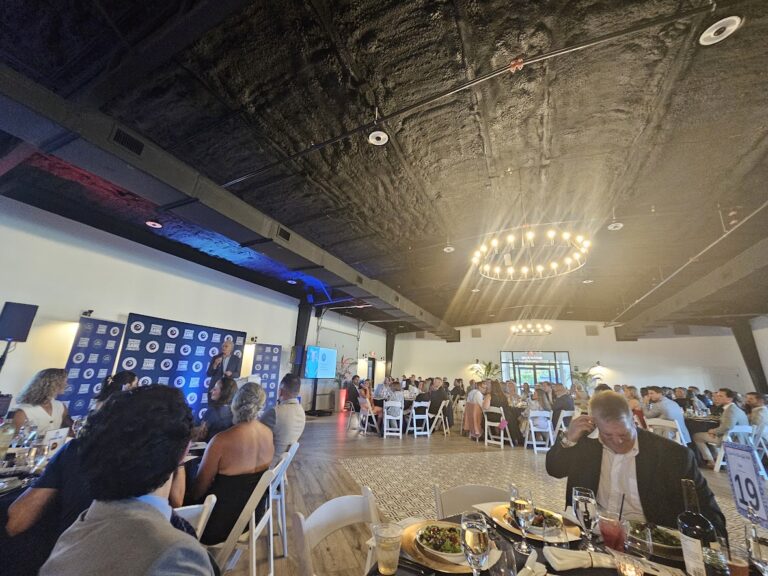
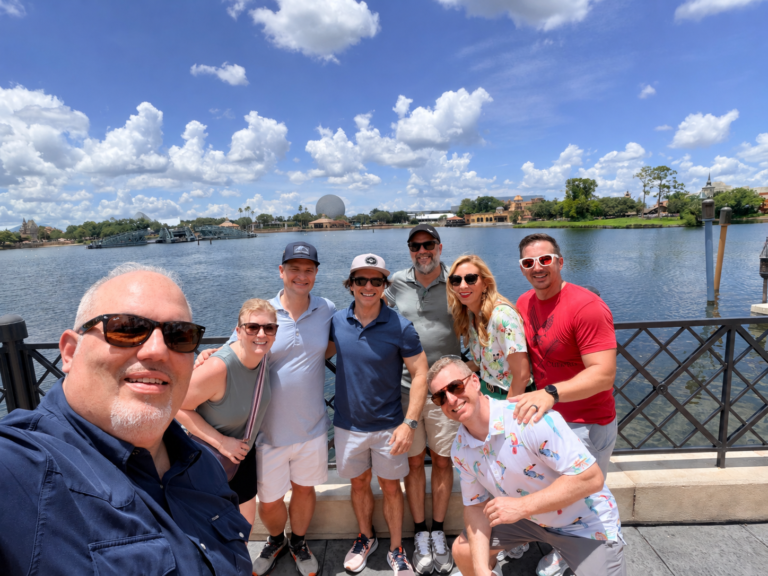
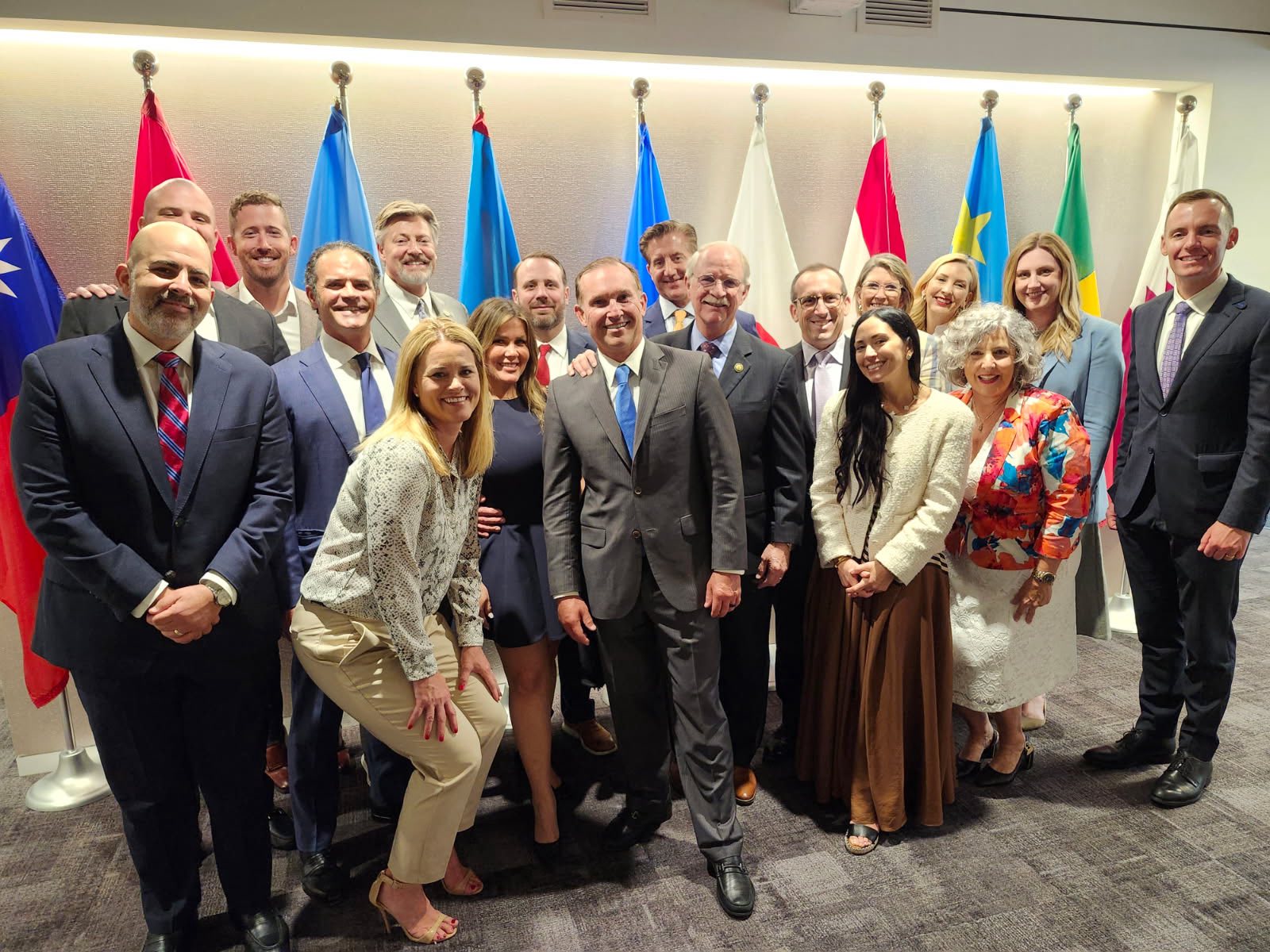
Alongside Leigh Ware, Karen Bowling, Rachel Zimmer and several Northeast Florida colleagues, I traveled to Washington D.C. to meet with Senator Rick Scott, Representative Aaron Bean, Representative John Rutherford and Representative Byron Donalds. We also had the honor of attending and supporting Congressman Rutherford at his fundraiser hosted by Ballard Partners, and spent time with Lenny Curry and Jordan Elsbury, both of whom expressed genuine and continued willingness to support efforts focused on young people, workforce development and the future of our region.
It was a full and meaningful few days and it left me with a lot to think about.
Taking Northeast Florida’s Work to a National Audience
The organizations represented on this trip are doing work that deserves to be known at the federal level. WareWorks is building real, accessible pathways for young people into skilled trades careers in a region where the demand for those skills is growing faster than the pipeline to meet it. Boys & Girls Clubs of Northeast Florida has been showing up consistently in the lives of young people across our community for decades, providing safe spaces, mentorship, leadership development and the kind of sustained relationship-building that no single program or initiative can replicate.
Bringing that work into rooms with federal legislators and policy-adjacent leaders isn’t about asking for credit. It’s about making sure the people who set priorities and allocate resources understand what’s happening on the ground in communities like ours. The more vividly they can picture what effective youth-serving work looks like in practice, the better positioned they are to make decisions that support and protect it.
I’m extremely grateful to Chris Ware for his leadership and for making this opportunity possible. The relationships he has built and the credibility he brings to these conversations opened doors that matter.
Consistently Emerging Themes
Across every meeting and every conversation throughout the week, one theme surfaced repeatedly: the importance of supporting the whole child and young adult. Not just academically or vocationally but as a complete person navigating a genuinely complicated world.
Workforce development and youth well-being are not separate conversations and the leaders we met with understood that. Helping young people access career pathways in the skilled trades is meaningful and important work. It’s also work that requires a foundation of mental health support, stability and resilience-building that makes the vocational opportunity actually accessible. A young person who is struggling with anxiety, disconnection or a lack of trusted adults in their life isn’t positioned to take advantage of career pathways regardless of how well-designed those pathways are.
That’s the gap that Boys & Girls Clubs of Northeast Florida fills in ways that are genuinely difficult to replicate. Beyond providing safe spaces after school and during the summer, the organization is actively helping young people build confidence, develop leadership skills, access mentorship and navigate the real challenges that define adolescence and early adulthood right now. That work creates the conditions that make workforce development possible. The two aren’t parallel tracks. They’re the same track.
What Strong Partnerships Actually Look Like
One of the things I came away from this trip appreciating more deeply is what it looks like when organizations commit to working together rather than alongside each other. The collaboration between WareWorks and Boys & Girls Clubs of Northeast Florida, formalized through their recent partnership announcement, is a real example of that. Two organizations with different models, different populations and different day-to-day work finding genuine alignment around a shared goal: more young people in Northeast Florida with access to opportunity, support and a viable path forward.
That kind of partnership requires leaders on both sides who are willing to invest in the relationship, be honest about what each organization brings and stay focused on the shared outcome rather than on organizational positioning. Watching it develop in real time, and being in rooms where that shared work was visible and credible to people at the federal level, was one of the more encouraging professional experiences I’ve had in recent months.
Why These Conversations Matter Beyond the Week
It would be easy to come home from a trip like this, reflect on it and simply move on to other things. What I’m trying to resist is the temptation to treat advocacy as an event rather than a practice.
The conversations we had in Washington last week matter because of what happens next. The relationships strengthened on that trip are ones we need to maintain and build on. The awareness created around the work WareWorks and Boys & Girls Clubs are doing needs to be reinforced over time, not just introduced once. And the theme that kept emerging throughout the week, that communities are strongest when organizations work together to create pathways, purpose and opportunity for people of all ages, is one that needs to be reflected in how we work every day, not just when we’re in the room with elected officials.
That’s what the work actually requires. And after a week like that one, I’m reminded of how much of it there is still to do.
Dr. Saralyn Grass is President and Co-Founder of Verdant Synergies Consulting, a Jacksonville-based strategic consulting firm. She brings more than two decades of experience in early childhood and K-12 policy, nonprofit leadership and expert witness testimony to her work with organizations and legal counsel across the country. Learn more at verdantsynergies.com.