When Organizations Work Together: Reflections on a Week Well Spent
One Week, Several Cities and a Common Thread
There are weeks in this work that remind you exactly why you do it. A few weeks ago, Rachel Zimmer and I had one of those weeks. We packed a lot into a short stretch of time, moved quickly between very different rooms and conversations and came home to Jacksonville with a clearer sense of the momentum building around the work we’re both committed to.
What follows is a reflection on what that week looked like and what it reinforced about the kind of community-building that actually moves the needle.
Washington D.C.: National Service and the Power of Bipartisan Investment
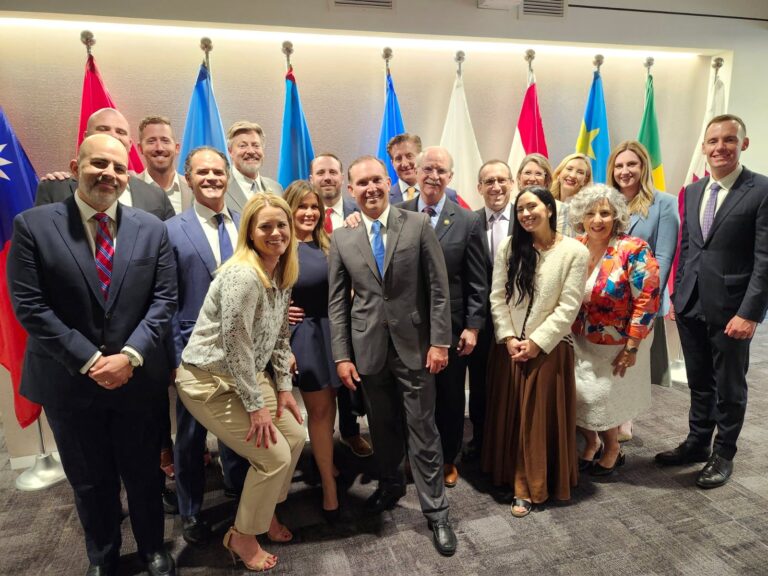
We started the week in Washington D.C., attending the Friends of National Service Awards. Walking into a room where the conversation is genuinely centered on investing in people and communities, and where that conversation is drawing support from across the political aisle, is encouraging in a way that’s worth naming directly. Bipartisan agreement on anything feels rare right now. Bipartisan commitment to AmeriCorps and national service opportunities as a vehicle for community investment is something worth celebrating and protecting.
A sincere thank you to Chester Spellman for the invitation and for his continued leadership in this space. His investment in national service and his belief in what it can do for communities across the country is evident in everything he does. It was also a genuine pleasure to reconnect with our friends at READ USA while we were in town. The work they do to advance literacy and expand educational opportunity is the kind of foundational community investment that makes everything else downstream more possible.
Learning From the Home Builders Institute
While in D.C. we also had the opportunity to spend time with our partners at the Home Builders Institute and get a deeper look at the current landscape surrounding workforce shortages in the skilled trades. The picture Emily Price painted was both sobering and full of opportunity. The shortage of skilled tradespeople in this country isn’t a future problem. It’s a present one, and the gap between where the workforce is and where it needs to be is widening in ways that have real consequences for housing, infrastructure and economic mobility.
What struck me most about that conversation was how directly it connected to the work WareWorks is doing in Northeast Florida. The challenges Emily described at the national level are playing out in our own region, and the organizations working to expose young people to skilled trades careers aren’t just filling pipeline gaps. They’re opening doors to well-compensated, meaningful and sustainable career paths that many young people have never had a reason to consider. Understanding the national landscape more clearly made the local work feel even more urgent and even more valuable.
Back in Jacksonville: The Miracle on Ashley Street
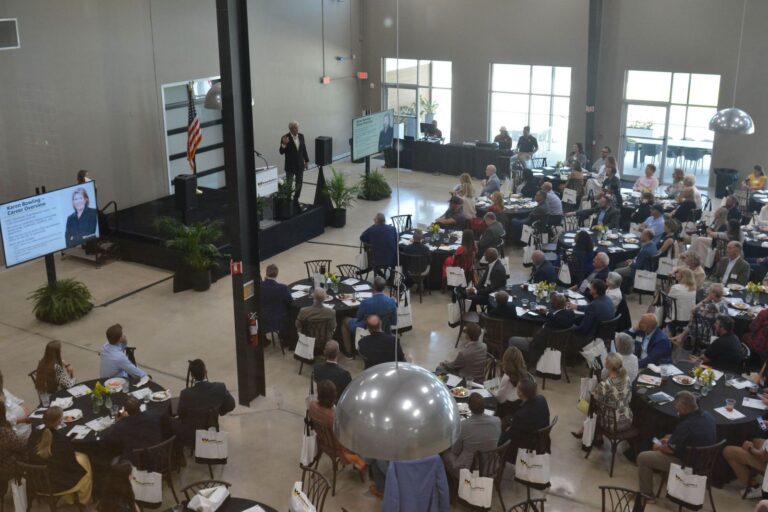
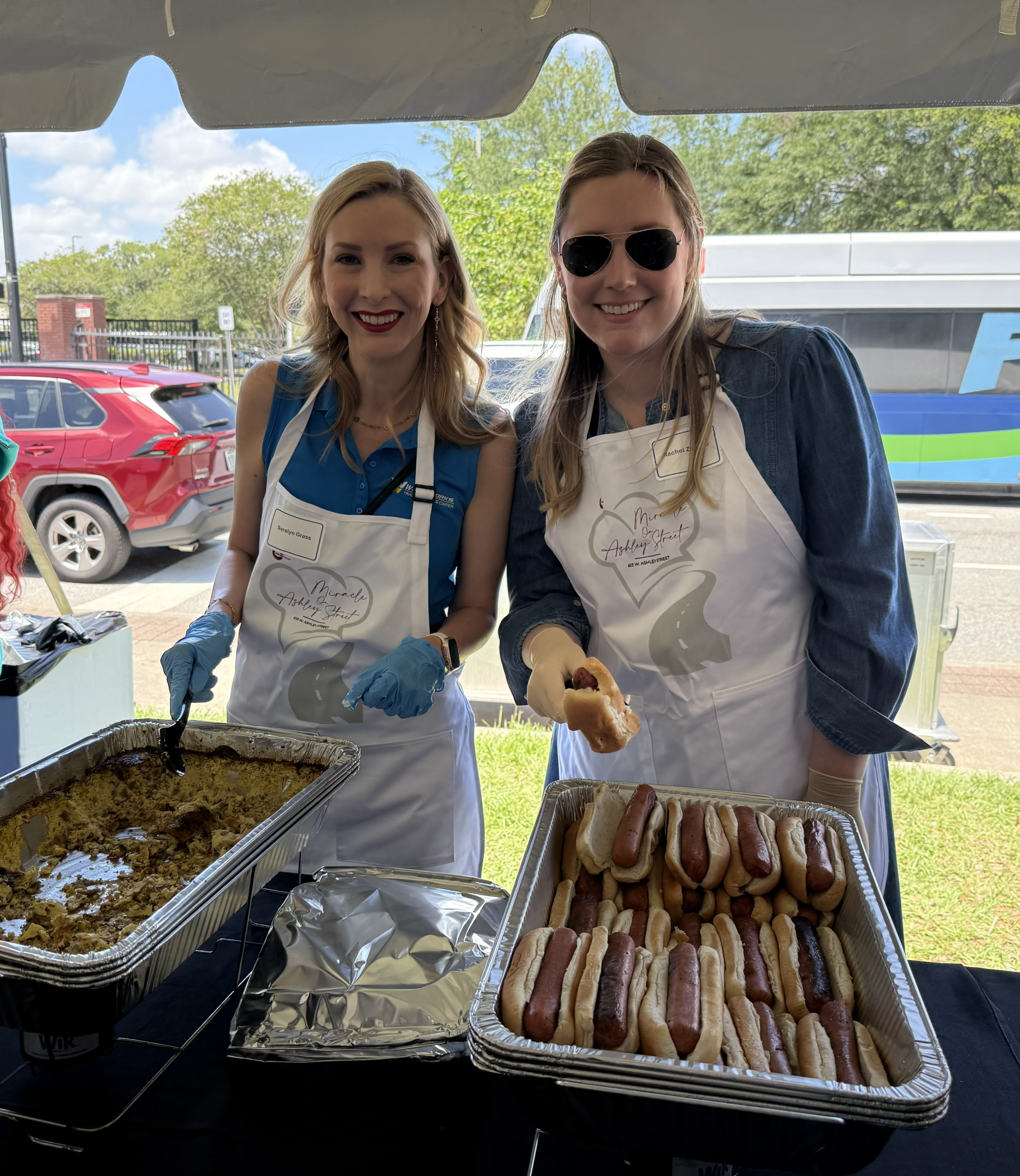
We came home to Jacksonville and closed out the week at the Clara White Mission’s 31st Annual Miracle on Ashley Street. After a week of conversations about national service, workforce development and the structural challenges facing communities across the country, there was something grounding about spending time at an event that has been showing up for Jacksonville’s most vulnerable residents for more than three decades.
The Clara White Mission was founded in 1904 by Dr. Eartha M.M. White, a Jacksonville humanitarian whose commitment to veterans, people experiencing homelessness and those in need of a second chance helped build an institution that has only grown stronger over more than a century. Under the leadership of Councilwoman Ju’Coby Pittman, the Mission has expanded well beyond its origins as a soup kitchen into a full-service social welfare institution offering vocational training, job placement, veteran services, affordable housing and agricultural programming through White Harvest Farms.
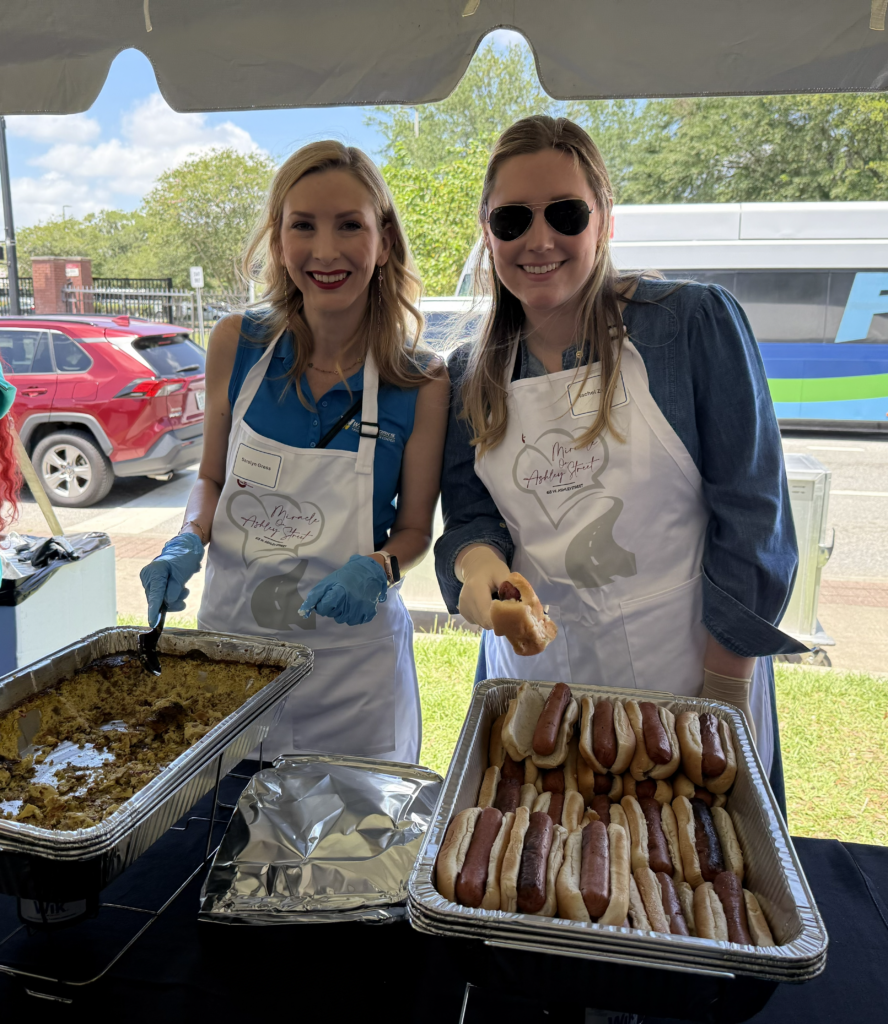
The Miracle on Ashley Street brings the community together every year to support that work financially and to celebrate what consistent, compassionate service to a city looks like over the long haul. Being there, serving food and spending time in a room full of people who show up for Jacksonville because they genuinely believe in it, was exactly the right way to end a week that had covered a lot of ground.
The Thread That Ran Through All of It
What I kept coming back to across every conversation and every room that week was how deeply connected these issues are. Workforce development and housing stability. National service and community infrastructure. Literacy and economic mobility. Mental health support and the organizations that provide consistent, trusted presence in people’s lives.
These aren’t separate policy conversations happening in parallel. They’re different dimensions of the same challenge: how do we build communities where people of all ages have access to pathways, purpose and genuine opportunity? The organizations doing the most effective work on that challenge understand that intuitively. They aren’t waiting for someone else to solve the adjacent problem before they get started on their own piece of it. They’re building partnerships, sharing knowledge and showing up consistently in ways that compound over time.
That’s what the work looks like when it’s done well. And after a week like that one, I’m more energized than ever about what’s ahead.
Dr. Saralyn Grass is President and Co-Founder of Verdant Synergies Consulting, a Jacksonville-based strategic consulting firm. She brings more than two decades of experience in early childhood and K-12 policy, nonprofit leadership and expert witness testimony to her work with organizations and legal counsel across the country.